

Your medicine cabinet probably has more chemicals than a science lab. Meanwhile, women across Africa, Asia, and the Pacific Islands have been glowing for centuries using what grows in their backyards.
These aren’t trendy beauty hacks; they’re wisdom passed down through generations of women who understood that the earth provides everything your skin needs. No 12-step routines required.
This post may contain affiliate links, please read our privacy policy for details.
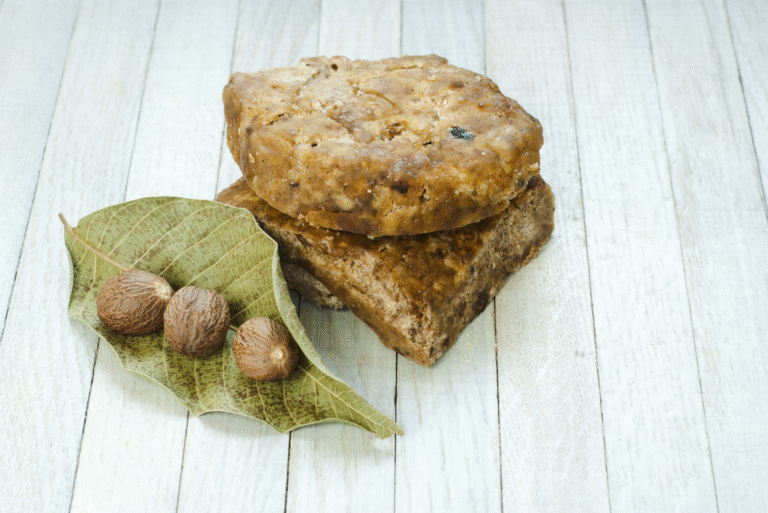
Black Soap: West Africa’s Gift to the Skin
Real African black soap doesn’t look like the dark bars you see at the drugstore. Authentic versions are actually brown or beige, handmade from plantain skins, palm kernel oil, and shea butter. In Ghana and Nigeria, it’s called “ose dudu” or “alata samina,” and it’s been clearing skin for over 500 years.
The texture is rough, almost crumbly. That’s intentional. Those little bits exfoliate while the oils cleanse without stripping your skin completely bare. I use it when my skin feels congested and needs gentle purification.
One warning: start slow, this stuff is potent. Your skin might purge for a week or two as it adjusts. This is a normal process and will balance over time. Try: Sky Organics African Black Soap or Best Raw Organic Black Soap for the real deal.
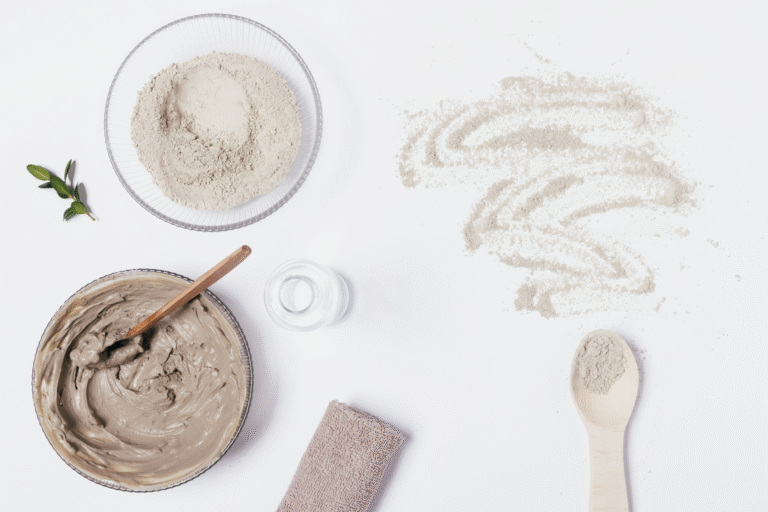
Rhassoul Clay: Morocco’s Ancient Detox
Rhassoul clay comes from the Atlas Mountains in Morocco, where women have been mixing it into face masks for over 1,400 years. The name literally means “to wash” in Arabic, which tells you everything you need to know about its purpose.
This clay is different from the bentonite stuff you might be used to. It’s silkier, less aggressive, and pulls out impurities without leaving your face feeling like leather. Moroccans traditionally mix it with rose water or argan oil, but plain water works fine too.
I love this for weekly deep cleans, especially during humid months when my pores seem to collect everything floating in the air. Mix it into a paste, rub it on, wait until it’s almost dry but not cracking. Rinse with warm water and feel like a new person.
*Pro tip: This clay can also be used to cleanse your hair without stripping and will leave your curls soft and defined. Try: Yogi’s Gift Rhassoul Clay or Rhassoul Nude Clay.
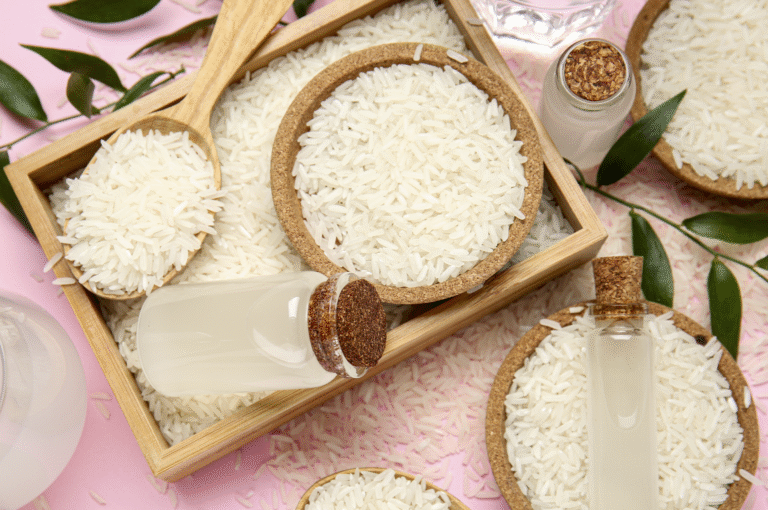
Rice Water: Asia’s Best-Kept Secret for Hair and Skin
Walk through rural Japan, China, or Thailand and you’ll notice something: the women have incredible skin and hair. Part of it’s genetics, sure. But a lot of it is rice water.
Women in these regions have been saving the starchy water from cooking rice for centuries. It’s loaded with amino acids, vitamins, and minerals that brighten skin and strengthen hair.
The Yao women in China are famous for their floor-length hair, which they attribute to fermented rice water rinses. In Japan, geishas used rice water to achieve that porcelain complexion. Same ingredient, different applications.
Making it is pleasantly simple. Rinse rice until the water runs clear, then save that cloudy first rinse. Use it as a face toner or hair rinse. Some people ferment it for a few days, which increases the nutrients and adds good bacteria. Try: I’m From Rice Water Toner or Seven Minerals Fermented Rice Water for Hair if you want the ready-made version.
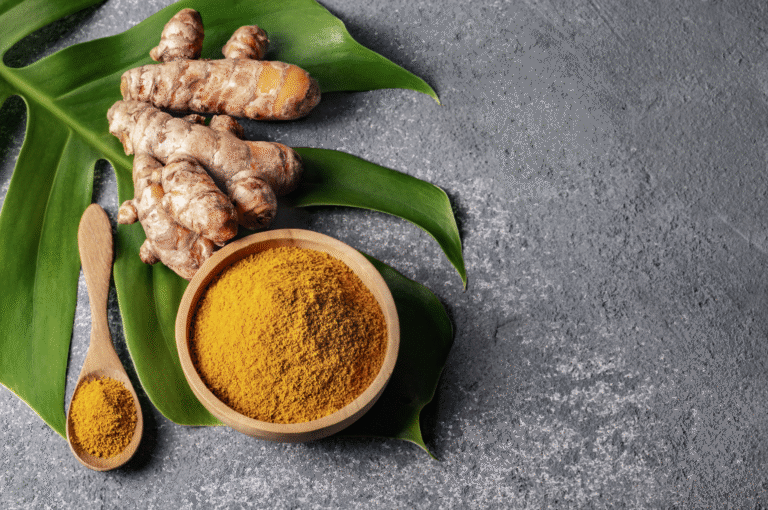
Turmeric: India’s Golden Child
Turmeric shows up in Indian wedding rituals for a reason. Brides get covered in turmeric paste before their ceremony because it brightens skin, reduces inflammation, and gives them that lit-from-within glow.
This isn’t the same cooking turmeric from your spice rack (though that works in a pinch). Beauty-grade turmeric is finer, more potent. Mix it with yogurt, honey, or chickpea flour for different skin types. Oily skin? Add lemon. Dry skin? Go with milk or almond oil. Here’s a simple face mask recipe:
Golden Glow Turmeric Face Mask
Inspired by ancient Indian and Caribbean skin rituals
Ingredients:
- 1 tsp turmeric powder
- 1 tbsp plain yogurt (or aloe vera gel for dairy-free option)
- 1 tsp raw honey
- (Optional) a few drops of rosewater or lime juice for added brightness
Instructions:
- In a small bowl, mix all ingredients into a smooth paste.
- Apply a thin layer to clean skin, avoiding the eye area.
- Let it sit for 10–15 minutes, or until slightly dry.
- Rinse gently with warm water and pat dry.
Use 1–2 times per week for glowing, even-toned skin. Add a pinch of chickpea flour for gentle exfoliation, as done in traditional Indian ubtan.
Fair warning: turmeric stains everything. Your hands, your sink, your towels. Anti-staining ingredients such as full-fat yogurt, aloe vera gel, or clay serve as a base to buffer the pigment. You can also ightly rub jojoba oil, rosehip oil, or aloe vera gel on your skin before applying the mask. This helps form a barrier and prevents deep absorption of pigment. Gloves or a makeup brush can save you from yellow fingers. Also, patch test first. Some people react to turmeric, and you don’t want to find out on your way out to something important. Try: Pure Wild Turmeric Powder for Face or Blue Nectar Turmeric Ubtan Powder.
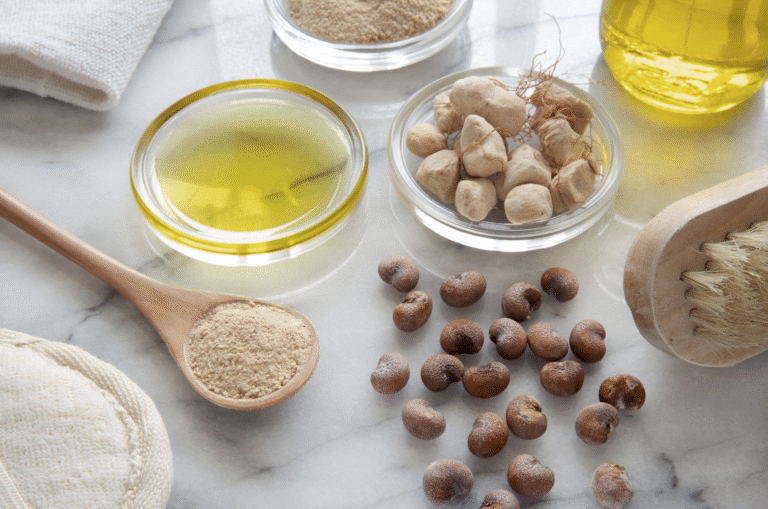
Baobab Oil: Africa’s Tree of Life
The baobab tree can live for thousands of years, which should tell you something about its resilience. Women across sub-Saharan Africa have been extracting oil from its seeds for generations, using it to protect skin from harsh desert winds and intense sun.
Baobab oil absorbs fast, doesn’t clog pores, and works for pretty much every skin type. It’s loaded with vitamins A, D, E, and F. My skin drinks up this nutrient cocktail of goodness.
I use it as a face oil in winter when everything else feels too heavy or too light. A few drops morning and night, mixed with my moisturizer or alone. It also works great on dry cuticles and ashy elbows.Try: Eden’s Garden Baobab Oil or Aura Cacia Baobab Skin Oil as an alternative. * Be sure to only buy oils from trusted brands, as many cheaper brands use synthetic filler ingredients.
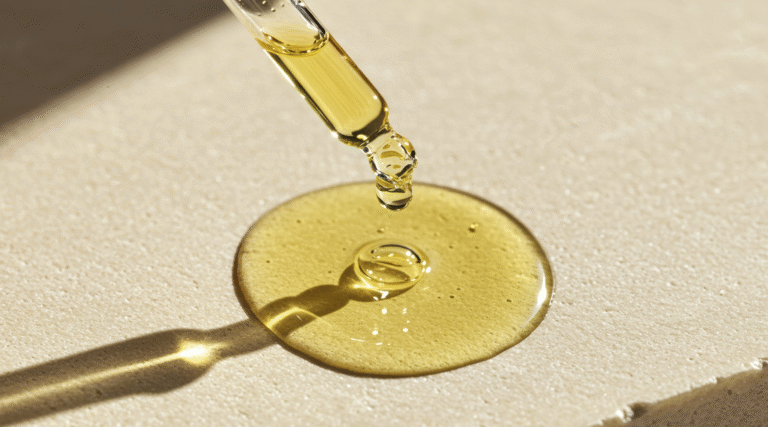
Tamanu Oil: The Pacific’s Healing Miracle
Tamanu oil comes from a tree that grows across Polynesia, where it’s called “green gold.” Traditional healers have used it for centuries to treat cuts, burns, and skin irritation. It has this distinctive nutty smell that’s either deeply comforting or slightly weird, depending on your nose.
This oil is serious medicine. It promotes healing, reduces scarring, and has natural anti-inflammatory properties. I keep a small bottle for angry breakouts, minor cuts, or any time my skin is not cooperating.
It’s thick, almost sticky when you first apply it, but absorbs completely. A little goes a long way. Don’t use it all over your face unless you want to look like you’ve been dipped in olive oil.Try: NOW Foods Organic Tamanu Oil or Sulina Shop Organic Tamanu Oil.
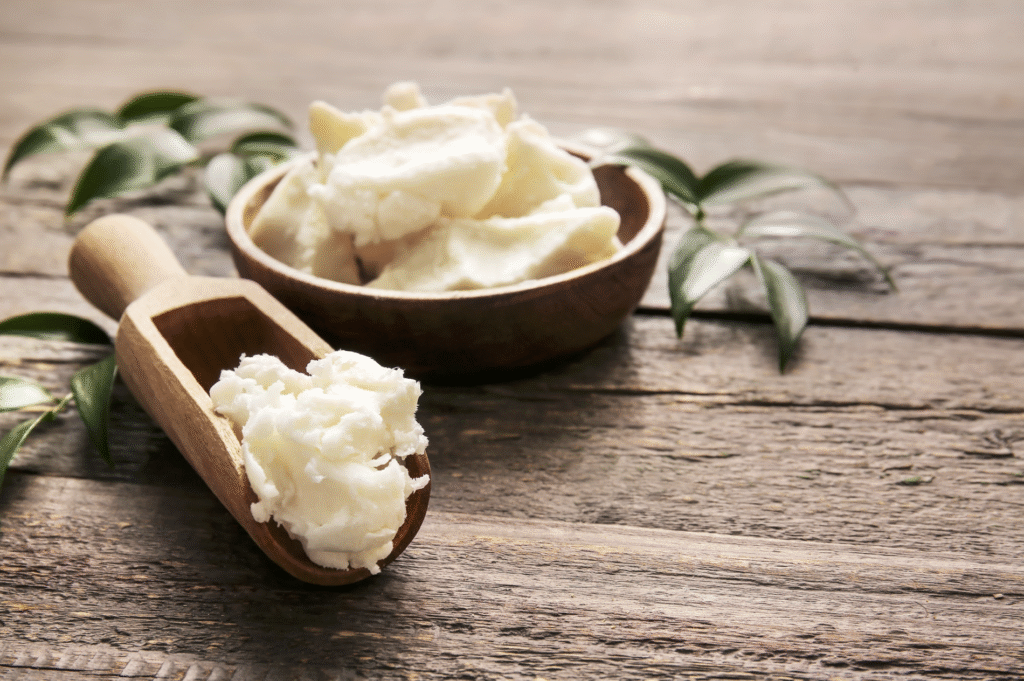
Raw Shea Butter: Ghana’s Liquid Gold
Shea butter production is serious work in Ghana and Burkina Faso. It takes about 15 hours to make one pound of shea butter from scratch. The women who make it have skin like silk, even working under the hot African sun all day.
Raw shea butter looks different from the processed stuff. It’s more yellow or gray, has a nuttier smell, and feels grittier. That’s how you know it’s the real deal. All those vitamins and minerals are still intact.
I use it everywhere. Face, body, hands, heels. It’s especially good for eczema, dry patches, or when your skin barrier is compromised. Your skin will thank you for this rich butter that holds in moisture better than any store-bought lotion. Try: Our Earth’s Secrets Ivory Raw Shea Butter or Natural Cosmetics Real African Shea Butter.
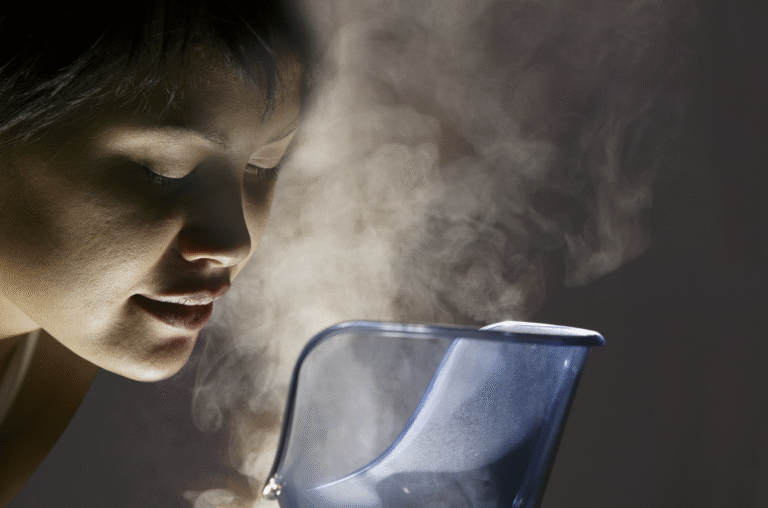
Steam Your Way to Clarity
Facial steaming isn’t just a spa luxury. Women across these cultures use steam to open pores before applying treatments. Add herbs like rosemary, lavender, or mint to the water for extra benefits. You’ll feel the difference immediately, and probably want to add this to your regular routine like I did.
You can use a bowl of hot water and a towel or a mini-steamer to simplify your process. Steam for 5-10 minutes, then apply your clay mask or oil treatment while your pores are open and receptive.
Try: Colorfarm Nano Ionic Facial Steamer or Pure Daily Care NanoSteamer.
These ingredients work because they’re simple, potent, and time-tested. Your great-grandmother probably knew most of these secrets already. Maybe it’s time we started listening to what the Earth has been trying to tell us all along.