

How traditional herbal remedies from around the world are quietly revolutionizing wellness
In every corner of the world, our ancestors have turned to plants to soothe, cleanse, and restore the body and spirit. Long before wellness became a trend, it was a tradition passed down through steaming cups and long-standing rituals. At Zamani Collective, we return to those roots, guided by the powerful botanicals that have been revered for centuries across the African diaspora, the Caribbean, and beyond.
These are the teas our grandmothers simmered on quiet afternoons and our communities brewed in times of transition, resilience, and rest. Whether you’re seeking support for your nervous system, gentle detoxification, or simply a reconnection to your lineage, these herbal brews offer more than physical relief; they’re a portal back to the wisdom we’ve always carried.
This post may contain affiliate links. Please visit our privacy policy for more information.
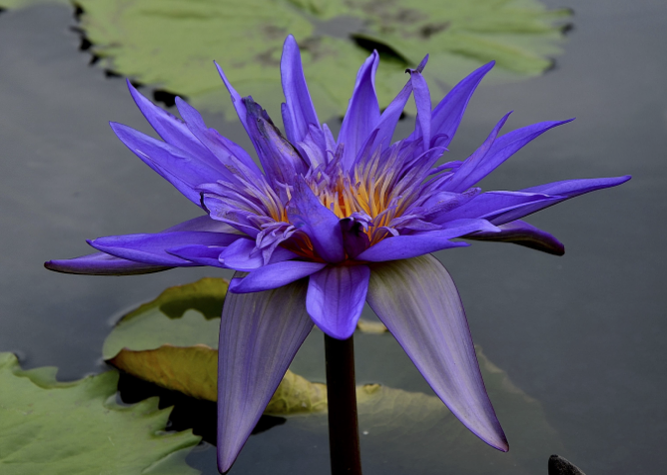
Blue Lotus: Egypt’s Sacred Serenity
The ancient Egyptians knew something we’re just rediscovering: blue lotus (Nymphaea caerulea) is nature’s answer to our overstimulated nervous systems. This sacred flower, depicted in tomb paintings and found in pharaohs’ burial chambers, has become my personal sanctuary during chaotic times.
I discovered blue lotus during a particularly intense period of work of panic attacks, and self-doubt. My cortisol levels felt permanently elevated, and I was cycling through fight-or-flight responses like they were going out of style. A friend suggested I try blue lotus tea, and honestly, I was skeptical. How could something so gentle-looking pack any real punch?
But here’s what happened: within 20 minutes of sipping my first cup, I felt my shoulders drop from somewhere around my ears back to where they belonged. It wasn’t the heavy sedation you might expect from a sleep aid; it was more like my nervous system finally exhaled. The constant mental chatter quieted to a whisper, and for the first time in weeks, I could think clearly.
Blue lotus works as a natural nervine, meaning it specifically supports nervous system function. The flowers contain nuciferine and aporphine, compounds that interact with dopamine receptors and promote a state of calm alertness. Ancient Egyptians used it for meditation and dream work, but modern research suggests it may help regulate stress hormones, including cortisol.
I now keep premium dried blue lotus petals on hand for whenever life gets overwhelming. The ritual of brewing it, watching the water turn a pale golden blue, has become as therapeutic as drinking it.
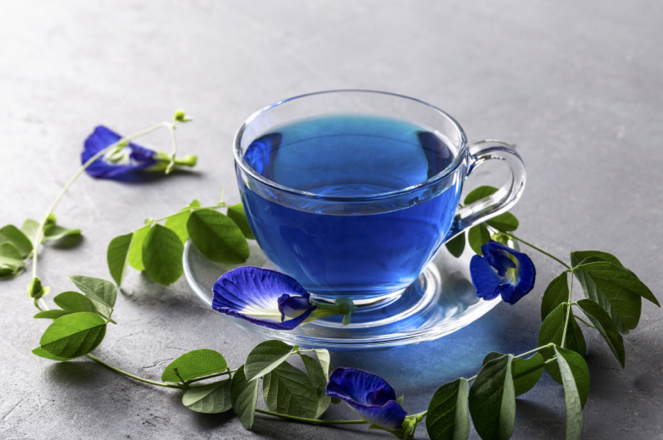
Palo Azul: Mexico’s Blue Miracle
From the desert landscapes of Mexico comes palo azul (Eysenhardtia polystachya), literally “blue stick.” This unassuming wood transforms ordinary water into something that looks like liquid sapphire when steeped properly. But its beauty is more than skin deep.
Traditional Mexican healers have used palo azul for centuries to support kidney function and urinary tract health. The wood contains powerful flavonoids and antioxidants that give the tea its distinctive blue hue when exposed to sunlight or UV light. It’s like having a chemistry experiment and healing session rolled into one.
What makes palo azul particularly fascinating is its diuretic properties, which traditional medicine has long recognized as essential for detoxification. Modern wellness culture has only recently caught on to the importance of lymphatic drainage and kidney support, but Mexican curanderos have been prescribing palo azul baths and teas for exactly these purposes for generations.
The taste is mild, almost woody, with a subtle sweetness that makes it surprisingly pleasant to drink. I like to brew a large batch and keep it in the refrigerator—watching it shift from clear to brilliant blue never gets old, and having it ready to drink removes any barriers to consistent use.Try authentic Mexican palo azul wood to experience this magical transformation yourself.
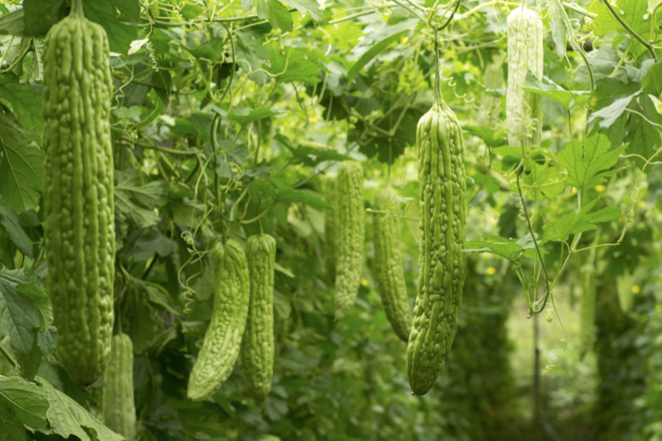
Cerrasse: Jamaica’s Bitter Medicine
Some of the most powerful medicine comes wrapped in the most challenging packages. Cerrasse (Momordica charantia), also known as bitter melon or bitter gourd, is Jamaica’s reminder that healing often requires us to embrace what we initially want to reject.
My Jamaican mother introduced me to cerrasse when I was young, steaming fresh leaves grown in our neighbor’s backyard for everything from fever to “cleaning out your system.” I remember the first time that intense bitterness hit my tongue, I flinched like I’d been stung. The taste was unlike anything I’d experienced: sharp, green, and unforgivingly bitter.
As I got older, something shifted. The bitterness that once made me flinch became a welcome sensation, a signal that something powerful was happening in my body. I began to crave that sharp, clean feeling that followed each sip, the way it seemed to cut through sluggishness and mental fog.
Traditional Jamaican medicine uses cerrasse for blood sugar regulation, liver detoxification, and immune system support. The leaves contain compounds like charantin and vicine, which research suggests may help regulate glucose metabolism and support healthy inflammation responses.
The preparation is simple but specific: fresh leaves are preferred, steeped in hot water until the liquid turns a pale green and tastes intensely bitter. Some people add a touch of honey, but purists argue that sweetening it defeats the purpose. The bitterness is the medicine.Fresh cerrasse can be difficult to find outside of Caribbean communities, but dried cerrasse leaves work well for tea preparation and maintain most of the plant’s beneficial compounds.
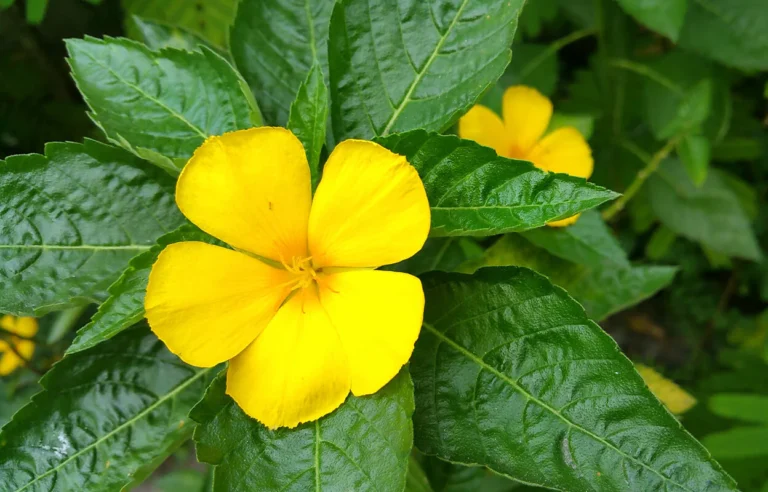
Damiana: The Forgotten Aphrodisiac of the Americas
Long before anyone had heard of horny goat weed or maca root, indigenous peoples of Mexico and Central America were brewing damiana (Turnera diffusa) to support what we now call “reproductive wellness.” This small, aromatic herb has been used traditionally as both an aphrodisiac and mood enhancer, though its benefits extend far beyond the bedroom.
Damiana contains compounds like arbutin and tannins that traditional healers believed could lift spirits and increase energy. Modern herbalists often recommend it for mild depression, anxiety, and fatigue, particularly when these issues are related to hormonal fluctuations.
The taste is pleasant and slightly spicy, with hints of fig and citrus. Unlike some medicinal teas that feel like punishment, damiana is genuinely enjoyable to drink. I find it particularly helpful during times when my energy feels stagnant or my mood needs a gentle lift without the jitters that come from caffeine.
Mexican tradition often combines damiana with other herbs in blends designed for specific purposes, but it’s equally effective on its own. The key is consistent use; like many traditional remedies, damiana works best when integrated into regular practice rather than used as an emergency intervention.
Look for gourmet damiana blends from reputable sources to ensure you’re getting the full spectrum of active compounds.
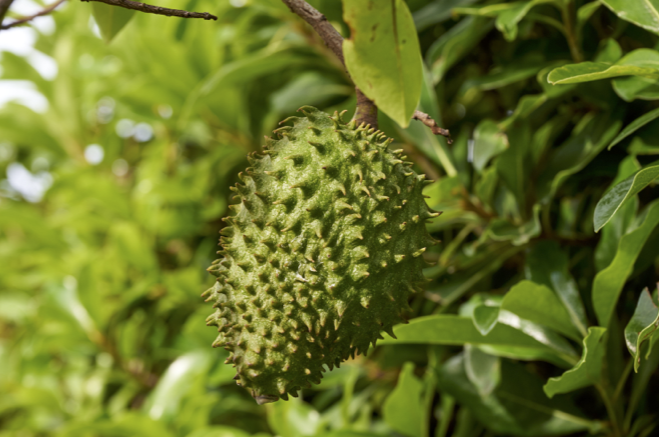
Soursop Leaves: The Caribbean’s Cancer Fighter
While the soursop fruit (Annona muricata) has gained recognition in wellness circles, the leaves remain relatively unknown outside of Caribbean and Latin American traditional medicine. This oversight is significant, as the leaves contain some of the plant’s most potent therapeutic compounds.
Traditional healers throughout the Caribbean use soursop leaf tea for everything from insomnia and anxiety to more serious conditions like cancer and diabetes. The leaves contain acetogenins, powerful compounds that research suggests may have anti-cancer properties, though more human studies are needed to confirm these effects.
What I find most compelling about soursop leaves is their versatility. The tea has a mild, grassy flavor that’s easy to drink regularly, and traditional preparation is straightforward: 5-7 fresh leaves (or 1-2 tablespoons of dried leaves) steeped in hot water for 10-15 minutes.
Many Caribbean families keep soursop leaf tea as a general health tonic, drinking it regularly rather than waiting for specific symptoms to arise. This preventive approach reflects a fundamental difference between traditional medicine and our Western tendency to treat problems after they develop.High-quality dried soursop leaves can be found online, though as with all medicinal herbs, sourcing matters. Look for suppliers who can verify the origin and processing methods of their herbs.
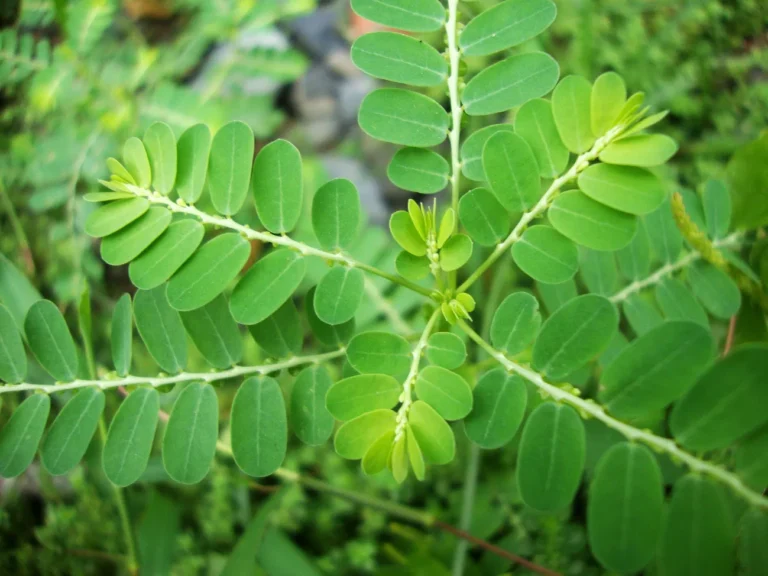
Chanca Piedra: Peru’s Stone Breaker
The name says it all: chanca piedra literally translates to “stone breaker” in Spanish. This small Amazonian herb (Phyllanthus niruri) has been used throughout South America for kidney stones and gallstones, but its benefits extend to overall liver and kidney support.
What makes chanca piedra remarkable is its gentle but consistent action. Unlike harsh diuretics that can disrupt electrolyte balance, chanca piedra supports the body’s natural detoxification processes without forcing dramatic changes. Traditional Peruvian medicine uses it as both treatment and prevention, recognizing that maintaining kidney and liver health is easier than repairing damage.
The tea has a mild, slightly bitter taste that most people find tolerable. Traditional preparation involves simmering the whole plant (leaves, stems, and roots) for 15-20 minutes to extract the full range of compounds. Many people drink it daily as a maintenance practice, similar to how we might take a daily vitamin.
Research has shown that chanca piedra contains lignans and flavonoids that support healthy kidney function and may help prevent stone formation. While it’s not a miracle cure, it represents the kind of gentle, consistent support that traditional medicine excels at providing.Find authentic Peruvian chanca piedra from suppliers who work directly with indigenous communities.
The Art of Preparation: Making Medicine
These traditional teas require more than just pouring hot water over herbs. Each culture has developed specific preparation methods that maximize the therapeutic potential of their plant allies.
Water temperature matters. Delicate flowers like blue lotus should never be exposed to boiling water, which can destroy volatile compounds. Wood and bark, like palo azul, need sustained heat to release their constituents. Bitter herbs like cerrasse require hot but not boiling water to extract the medicinal compounds without creating excessive bitterness.
Timing is everything. Most traditional preparations involve steeping times that would seem excessive by modern tea standards. Fifteen to twenty minutes is common, with some herbs benefiting from even longer extraction periods.
Intention transforms everything. Traditional healers understand that the preparation process is part of the medicine. Taking time to mindfully brew your tea, setting intentions for healing, and approaching the practice with respect amplifies the therapeutic effects.
Beyond the Cup: Integrating Plant Wisdom
These teas work best when integrated into broader wellness practices rather than used as isolated interventions. Traditional healing systems understand that plant medicine is most effective when combined with lifestyle practices that support overall health.
Consider creating morning or evening rituals around your tea practice. Use the brewing time for meditation, journaling, or simply being present. Many traditional cultures view the preparation and consumption of medicinal teas as spiritual practice, not just physical treatment.
Start slowly. Traditional remedies can be powerful, and everyone’s body responds differently. Begin with small amounts and pay attention to how you feel. Some herbs work immediately, while others build their effects over time with consistent use.
Quality matters tremendously. The difference between grocery store herbs and traditionally harvested, properly prepared plant medicine can be dramatic. Invest in high-quality brewing equipment and source your herbs from suppliers who understand traditional preparation methods.
The Wisdom We Almost Lost
In our rush toward pharmaceutical solutions, we nearly lost access to these gentle but powerful healing tools. The grandmothers who knew which plants to pick and how to prepare them are passing away, taking centuries of accumulated wisdom with them.
But something beautiful is happening: a new generation is recognizing the value of these traditional practices. We’re learning to bridge ancient wisdom with modern understanding, creating healing approaches that honor both scientific research and cultural knowledge.
These teas represent more than just alternative medicine, they’re a connection to our collective human heritage of plant partnership. Every sip carries the wisdom of healers who understood that true wellness comes from working with nature, not against it.
The next time you reach for a cup of tea, consider making it one that connects you to something larger than yourself. Choose plants that have been trusted by cultures for generations. Let the bitterness of cerrasse teach you about embracing difficult medicine. Let the blue transformation of palo azul remind you that healing can be magical. Let the calming embrace of blue lotus show you that sometimes the gentlest approach is the most profound.
In a world that often feels disconnected from natural rhythms, these traditional teas offer us a way back home; to ourselves, to the earth, and to the accumulated wisdom of countless generations who knew that the best medicine often comes in the humblest packages.
Want more healing tips? Check out our Earth to Table Skincare article.
As with any herbal medicine, consult with a healthcare provider before adding new teas to your routine, especially if you’re taking medications or have existing health conditions. Traditional remedies are powerful and deserve the same respect and caution as any therapeutic intervention.