

Sobremesa: The Spanish Art of Lingering that Will Transform Your Relationship with Time
I’ve always felt like I might have been born on the wrong continent. Even at a young age, I never embraced the rushed American culture that seems hardwired into our social interactions. I lament every time I’m having an enjoyable lunch or dinner with engaging conversation, only to watch it abruptly end the moment the check hits the table. There’s always this collective urgency to move on to the next thing, as though lingering is somehow wasteful or indulgent. But something in me has always craved that slower pace, that permission to let a meal extend beyond the final bite. I’ve felt a deep need to slow down, connect, and allow my mind and body to indulge in the things that feel good without restriction or apology.
When I discovered that entire cultures build this lingering, this connection, this luxurious stretching of time around a table into their daily lives, I realized I wasn’t wrong for wanting more than our hurried goodbyes and swift exits. I had stumbled into one of Spain’s most beautiful cultural treasures, and it fundamentally changed how I think about time, food, and connection.
If you’ve ever felt that gnawing anxiety of needing to be “productive” after meals, if you rush through dinner to get to Netflix, or if you can’t remember the last time you had a two-hour conversation that wasn’t work-related, sobremesa might be calling your name.
This post may contain affiliate links, please read our privacy policy for details.
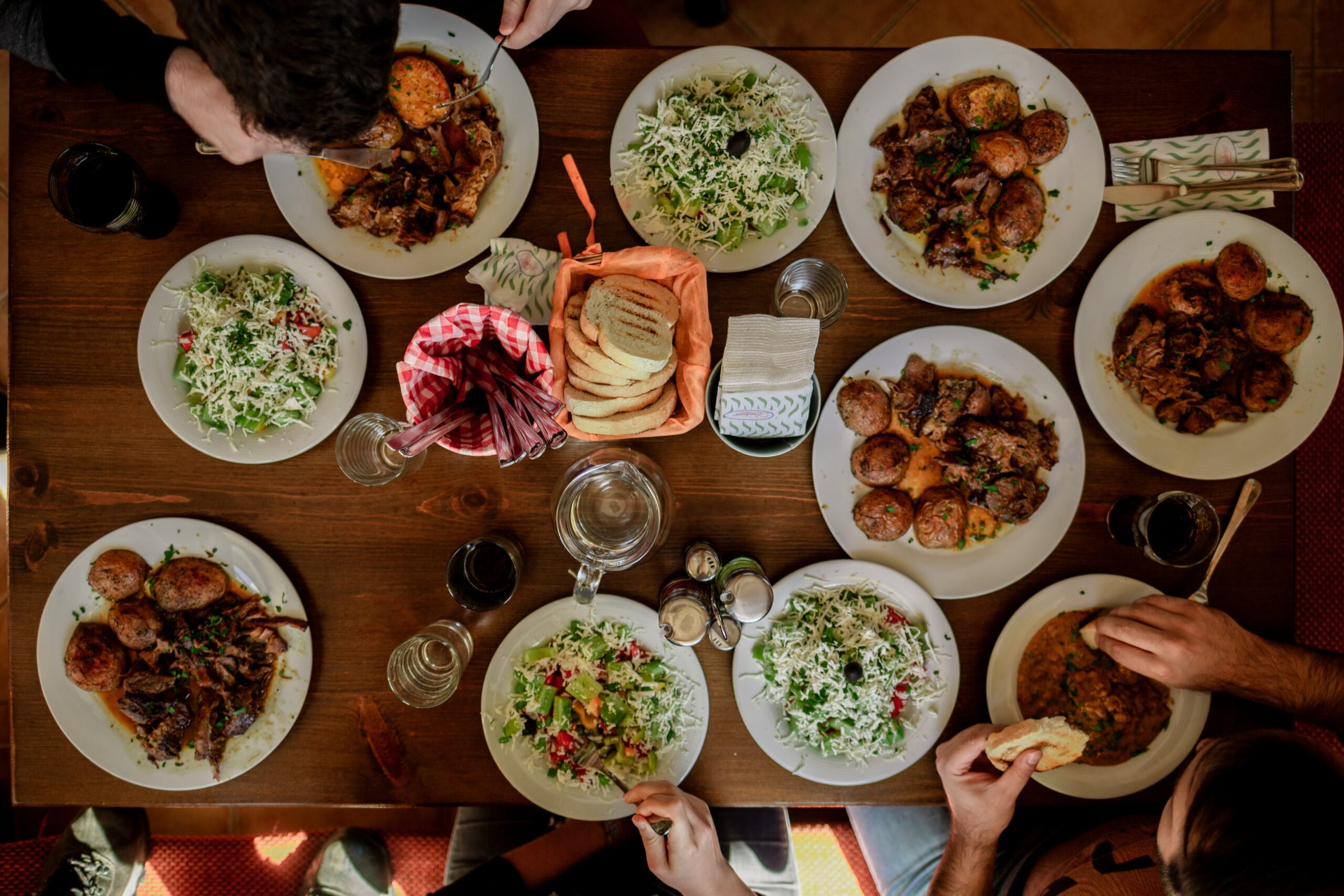
What Is Sobremesa? The Art of Time Abundance After Meals
Sobremesa (pronounced soh-breh-MEH-sah) is a Spanish cultural practice that refers to the time spent at the table after a meal has finished1. The word literally translates to “over the table,” but its meaning encompasses something far richer. It’s a deliberate extension of mealtime dedicated purely to conversation, connection, and presence.
While the exact origins of sobremesa aren’t precisely documented, it’s been a cornerstone of Spanish culture for centuries, deeply embedded in the Mediterranean approach to life that prioritizes connection and presence over productivity and rushing2. Historians trace its roots to the blending of various cultural influences throughout Spain’s history, particularly the Arab tradition of lengthy, relationship-centered meals during the centuries of Moorish presence in the Iberian Peninsula3.
What makes sobremesa unique is that it’s not scheduled or structured; it simply unfolds. A proper sobremesa might last anywhere from 30 minutes to several hours, sometimes extending so long that it blends right into dinner! During this time, people simply talk, digest, sip drinks, and enjoy each other’s company without any agenda or endpoint.
Unlike many cultural practices that have been formalized or commercialized, sobremesa remains refreshingly authentic. It can’t be purchased or packaged, only experienced. It exists in the space between structured time, in the conscious choice to prioritize human connection over the tyranny of schedules.
In Spain, sobremesa isn’t considered a luxury or special occasion activity because it’s woven into the fabric of daily life. Even on workdays, lunch is typically the largest meal of the day, and people commonly take 1-2 hours for it, with at least some time dedicated to sobremesa before returning to work4. On weekends and holidays, sobremesa might stretch for hours, especially when multiple generations gather.
Why You Need This In Your Life
Sobremesa offers a radical alternative to modern hustle culture and delivers benefits far beyond the pleasure of lingering conversation:
- Digestive Health: Nutritionists and digestive health experts confirm that eating in a relaxed state and taking time after meals improves digestion5. The Spanish approach of taking time to rest and converse after eating allows your parasympathetic nervous system (rest-and-digest mode) to fully engage, improving nutrient absorption and reducing digestive issues.
- Stress Reduction: Regular participation in sobremesa-style gatherings has been linked to lower stress levels and improved mental health outcomes6. The combination of social connection, mindful presence, and stepping outside the time-urgency mindset creates a powerful stress-reduction practice.
- Relationship Deepening: Research consistently shows that unstructured conversation time is essential for developing and maintaining close relationships7. Sobremesa creates the perfect conditions for the type of meandering conversations that build intimacy and understanding.
- Enhanced Creativity: The relaxed, pressure-free environment of sobremesa allows the mind to wander and make unexpected connections. This is a state that creativity researchers have identified as crucial for innovative thinking8. Many Spanish artists and writers credit sobremesa conversations for their best ideas.
- Cultural Preservation: In participating in sobremesa, you’re connecting with a centuries-old tradition that honors the value of human connection over productivity, a powerful counterbalance to our achievement-oriented culture9.
- Natural Mindfulness: Sobremesa is essentially mindfulness practice disguised as pleasure. It trains your attention to stay in the present moment through the anchor of conversation and sensory experience10.
- Dietary Moderation: Cultures with strong social eating traditions like sobremesa typically have healthier relationships with food. When eating is embedded in a social ritual rather than done quickly or mindlessly, people tend to eat more moderately and experience greater satisfaction11.
- Longevity Connection: The regions of Spain where sobremesa remains strongest are also some of the areas with the highest life expectancies in Europe. While correlation isn’t causation, researchers studying Blue Zones (longevity hotspots) consistently find that strong social connections around meals is a common factor12.
What’s particularly beautiful about sobremesa is that it addresses several modern crises simultaneously: our disconnection from each other, our unhealthy relationship with time, our digestive issues from rushed eating, and our struggle to be present. It’s not necessary to add something new to your life; it simply asks you to extend and enhance something you’re already doing: eating with others.
What You’ll Need for Your Sobremesa Practice
The beauty of sobremesa lies in its simplicity. You don’t need special equipment or extensive preparation, just the right mindset and a few basics:
Essential Elements:
- People: While traditionally family-centered, sobremesa can be enjoyed with friends, neighbors, or even interesting strangers. Quality matters more than quantity; 2-8 people is ideal for meaningful conversation.
- Unhurried Time: Block out significantly more time than you think you need for the meal itself. A proper sobremesa requires the psychological freedom of unscheduled time afterward.
- Simple Food: The meal preceding sobremesa should be satisfying but not fussy. Overly complicated dishes that require constant attention can prevent the cook from fully participating.
- Digestifs or Coffee: Traditional sobremesa often includes small glasses of digestive liqueurs, coffee, or herbal teas that can be slowly sipped throughout the conversation.
- Comfortable Seating: Since you’ll be sitting for an extended period, comfortable chairs are important. In Spain, many dining chairs include cushions for this very reason.
- Conversation Comfort: The ability to let conversation flow naturally, including comfortable silences and the willingness to discuss both light and deeper topics.
Optional Enhancements:
- Small Sweets: Tiny cookies, chocolates, or fruits that can be nibbled during conversation.
- Wine: A good Spanish wine enhances the experience but isn’t necessary, especially for weekday sobremesas.
- Ambient Music: Very soft background music can enhance the atmosphere but should be quiet enough to never interrupt conversation.
- Outdoor Setting: When weather permits, sobremesa is particularly magical on a patio or terrace.
- Phone-Free Zone: While not traditional (as smartphones didn’t exist when sobremesa developed!), designating the table as device-free enhances the experience.
Sobremesa: A Step-by-Step Guide to Cultivating the Art of Lingering
Step 1: Set the Stage for Time Abundance
- Choose a day when participants don’t have rigid commitments afterward.
- Send invitations that specify both a start time and the understanding that the gathering will extend well beyond the meal itself.
- If you’re new to sobremesa, weekend lunches are ideal starting points, as they naturally allow for more extended time.
- Prepare a meal that can be completely finished before sitting down, allowing the cook to fully participate.
- Set your phone to “Do Not Disturb” and keep it out of sight.
Step 2: Create the Right Physical Environment
- Set a table that feels generous but not overly formal. Sobremesa thrives in comfortable, unpretentious settings.
- Include small candles or simple flowers to signal that this isn’t an everyday rushed meal.
- Arrange seating so everyone can comfortably see and hear each other.
- Consider temperature and comfort, provide throws if you’re outside and it might get cool as the sobremesa extends.
- Have water, wine, coffee, or digestifs ready to serve without needing to leave the table frequently.
Step 3: Begin with Mindful Eating
- Start with a brief moment of gratitude or a simple toast to set an intentional tone.
- Pace the meal itself somewhat slowly; in Spain, dishes often come out with timing that naturally extends the eating experience.
- Encourage conversation during the meal but allow it to remain relatively light, saving deeper topics for the true sobremesa period.
- Notice when the focused eating portion of the meal is winding down. This transition point is where true sobremesa begins.
Step 4: The Transition to Sobremesa
- When people have finished eating but before anyone starts clearing plates, pour small digestifs, coffees, or fresh drinks to signal the transition to sobremesa.
- You might say something simple like, “No rush! Let’s sit and digest for a while” to set expectations, especially for those not familiar with the practice.
- Leave the empty plates on the table for a little while; immediately clearing them signals that the meal experience is over.
- Eventually, clear the main plates but do so unhurriedly, and leave the table set with drinks and perhaps small nibbles.
Step 5: The Art of Sobremesa Conversation
- Allow conversation to flow naturally rather than forcing topics.
- Embrace the Spanish willingness to discuss substantive topics: politics, philosophy, dreams, and personal challenges are all fair game.
- Practice the art of building on others’ thoughts rather than just waiting for your turn to speak.
- Notice if someone hasn’t spoken much and create openings for them.
- Don’t fear comfortable silences, they’re part of the natural rhythm of extended conversation.
- Remember that the goal isn’t to be brilliant or entertaining, but to be present and connected.
Step 6: Embracing Extension and Natural Conclusion
- Be attentive to the natural energy of the gathering. Some sobremesas naturally last for hours, while others reach a satisfying conclusion sooner.
- If energy is high after a couple of hours, consider refreshing drinks or adding a tiny new food element like chocolates or fruit.
- When the sobremesa reaches its natural conclusion, acknowledge the time shared with appreciation rather than rushing to “what’s next.”
- Spanish sobremesas often end with phrases like “qué bien se está así” (“how good it is to be like this”) or a satisfied sigh, a recognition of the value of the time spent.
Step 7: Integration and Reflection
- After your guests leave (or you return home), take a moment to appreciate the experience without immediately rushing to other tasks.
- Notice how different you feel compared to when you rush through meals and immediately move on to the next activity.
- Consider journaling about particularly meaningful conversations or insights that emerged during the sobremesa.
Adapting Sobremesa for Different Contexts
For Families with Young Children:
- Start with shorter sobremesa periods and gradually extend as children build stamina for sitting.
- Keep crayons, small toys, or books at the table for when kids need alternatives.
- Include children in the conversation with questions appropriate to their age.
- Consider a parallel “kids sobremesa” with child-friendly digestifs (special juices) for older children.
For Busy Weekdays:
- Even 15-20 minutes of intentional lingering can capture the essence of sobremesa.
- Create a mini-sobremesa ritual with your partner or roommate after dinner, even if just with a small cup of tea.
- Block one weeknight where you protect time for a slightly longer dinner and sobremesa.
For Solo Practitioners:
- While traditionally communal, the principles of sobremesa can be adapted for solo meals.
- Instead of rushing from the table, linger with a journal, a good book, or simply your thoughts.
- The key elements remain: unhurried time, presence, and refusing to immediately jump to “productivity.”
For Workplace Settings:
- Suggest occasional team lunches where extra time is specifically blocked for conversation beyond the meal.
- Frame it as both a cultural experience and a team-building opportunity.
- Keep devices away and gently guide conversation toward topics that allow people to connect beyond work tasks.
Elevate Your Sobremesa Experience: The Curated Shopping Guide
While sobremesa requires no special equipment, these thoughtfully selected items can enhance the experience:
- Handcrafted Spanish Digestif Set: A beautiful set of small glasses specifically designed for after-dinner liqueurs, adding authentic Spanish flair to your sobremesa.
- Spanish Ceramic Tableware: Hand-painted plates and serving dishes from regions like Andalusia or Valencia that bring the Spanish aesthetic to your table.
- Premium Spanish Coffee Beans: Specially selected beans for making café con leche or cortado, the classic sobremesa coffee options.
- Artisanal Digestifs Sampler: A collection of traditional Spanish digestifs like Licor 43, Orujo de hierbas, and Ponche Caballero to sip slowly throughout your sobremesa.
- Sobremesa-Inspired Playlist: Curated Spanish background music that enhances atmosphere without overpowering conversation.
- Extended Table Candles: Long-burning, dripless candles that last through lengthy sobremesas and create the perfect warm ambiance.
- Spanish Linen Tablecloth: High-quality linens that signal the meal is special and meant to be lingered over.
- Sobremesa Conversation Cards: Beautiful prompt cards with Spanish proverbs and thought-provoking questions to enhance conversation when needed.
- Small-Batch Spanish Chocolates: Artisanal chocolates perfect for the nibbling phase of extended sobremesas.
- Comfortable Seat Cushions: Designed specifically for dining chairs to ensure physical comfort during long table sessions.
Sobremesa and Mindfulness: The Unexpected Connection
What’s particularly fascinating about sobremesa is how it embodies mindfulness principles without explicitly labeling itself as a mindfulness practice13. Consider how it naturally incorporates core mindfulness elements:
- Present-Moment Awareness: The entire practice centers on being fully present with the people at your table.
- Non-Judgment: Successful sobremesa requires suspending judgment about “wasting time” or “being productive.”
- Sensory Awareness: The lingering experience of taste (digestifs, coffee), smell, and the physical sensation of sitting in companionable ease are central to the experience.
- Attention Training: Extended conversation requires maintaining focus on what others are saying rather than getting lost in your own thoughts.
- Time Expansion: Regular practitioners report experiencing what psychologists call “time affluence”, the subjective feeling that time is abundant rather than scarce.
In our meditation-app world where mindfulness is often packaged as yet another task to complete, sobremesa offers a refreshingly organic approach to presence that feels like pleasure rather than work.
The Science Behind Sobremesa’s Benefits
Recent research into the psychology of time, social connection, and meal patterns provides scientific backing for what Spanish culture has intuitively known for centuries:
- Vagal Tone Improvement: Extended, pleasant social meals activate the vagus nerve, improving heart rate variability and stress recovery14.
- Social Connection and Longevity: Strong social connections, exactly the kind fostered during sobremesa, are now understood to be stronger predictors of longevity than many traditional health factors like smoking or obesity15.
- Time Perception and Wellbeing: Research shows that cultures with more “event time” orientation (focusing on experiences rather than clock time) report higher levels of subjective wellbeing16.
- Digestive Process Optimization: The parasympathetic (“rest and digest”) nervous system functions optimally when activated fully after meals, which rushed eating prevents17.
- Commensality Benefits: The practice of shared, extended meals (commensality) has been linked to better nutritional choices, stronger family cohesion, and improved mental health outcomes across cultures18.
The sobremesa tradition intuitively incorporated these physiological and psychological principles long before science confirmed their importance, demonstrating how cultural wisdom often precedes scientific validation.
A Final Reflection: Sobremesa as Resistance
In embracing sobremesa, you’re engaging in a subtle act of resistance against the commodification of time and relationships that defines much of modern life.Each time you linger at the table, each moment you choose connection over rushing to the next task, you’re declaring that human relationships and presence deserve central place in your life. You’re stepping outside the scarcity mentality that makes us feel we never have “enough” time, into the abundance that comes from filling time richly rather than just efficiently.
As the Spanish saying goes, “Las prisas no son buenas consejeras” (“Rushing is not a good advisor”). Perhaps it’s time we all took this advice, one unhurried meal at a time.
References
- Medina, F. X. (2017). Mediterranean Diet: From a Healthy Diet to a Cultural Practice. In F.X. Medina (Ed.), Food, Gastronomy and Tourism. Social and Cultural Perspectives (pp. 1-10). Universidad de Guadalajara.
- Fischler, C. (2011). Commensality, society and culture. Social Science Information, 50(3-4), 528-548.
- López García, J. (2019). Cultural and Historical Aspects of Mediterranean Food. In V. R. Preedy & R. R. Watson (Eds.), The Mediterranean Diet: An Evidence-Based Approach (pp. 25-36). Academic Press.
- Díaz-Méndez, C., & García-Espejo, I. (2017). Eating practice models in Spain and the United Kingdom: A comparative time-use analysis. International Journal of Comparative Sociology, 58(2), 111-127.
- Cherpak, C. E. (2019). Mindful Eating: A Review Of How The Stress-Digestion-Mindfulness Triad May Modulate And Improve Gastrointestinal And Digestive Function. Integrative Medicine: A Clinician’s Journal, 18(4), 48-53.
- Muñoz-Laboy, M., Garcia, J., Perry, A., & Hardee, J. (2016). Social Meal Times and Their Impact on Well-Being among Latino Gay and Bisexual Men. Culture, Health & Sexuality, 18(1), 58-70.
- Dunbar, R. I. M. (2017). Breaking Bread: the Functions of Social Eating. Adaptive Human Behavior and Physiology, 3(3), 198-211.
- Csikszentmihalyi, M. (2014). Flow and the Foundations of Positive Psychology. Springer Netherlands.
- Medina, F. X. (2018). Food Culture as a Dimension of Cultural Heritage: Mediterranean Food and Its Communities of Practice. In F.X. Medina & R. Tresserras (Eds.), Food, Gastronomy and Tourism (pp. 47-60). Universidad de Guadalajara.
- Jordan, C. H., Wang, W., Donatoni, L., & Meier, B. P. (2014). Mindful eating: Trait and state mindfulness predict healthier eating behavior. Personality and Individual Differences, 68, 107-111.
- Higgs, S., & Thomas, J. (2016). Social influences on eating. Current Opinion in Behavioral Sciences, 9, 1-6.
- Buettner, D., & Skemp, S. (2016). Blue Zones: Lessons From the World’s Longest Lived. American Journal of Lifestyle Medicine, 10(5), 318-321.
- de Castro, J. M. (1997). Socio-cultural determinants of meal size and frequency. British Journal of Nutrition, 77(S1), S39-S55.
- Kok, B. E., & Fredrickson, B. L. (2010). Upward spirals of the heart: Autonomic flexibility, as indexed by vagal tone, reciprocally and prospectively predicts positive emotions and social connectedness. Biological Psychology, 85(3), 432-436.
- Holt-Lunstad, J., Smith, T. B., & Layton, J. B. (2010). Social Relationships and Mortality Risk: A Meta-analytic Review. PLOS Medicine, 7(7), e1000316.
- Levine, R. V., & Norenzayan, A. (1999). The Pace of Life in 31 Countries. Journal of Cross-Cultural Psychology, 30(2), 178-205.
- Porges, S. W. (2011). The Polyvagal Theory: Neurophysiological Foundations of Emotions, Attachment, Communication, and Self-regulation. W. W. Norton & Company.
- Ochs, E., & Shohet, M. (2006). The cultural structuring of mealtime socialization. New Directions for Child and Adolescent Development, 2006(111), 35-49.